Medical Disclaimer: I am a research analyst, not a doctor. This content is for informational purposes only. Always consult a healthcare professional before starting any new supplement regimen.
Affiliate Disclosure: Most links on this blog are affiliate links. If you click and purchase, I may earn a commission at no extra cost to you. This supports my independent research.
Understanding Mitochondria Function in Energy Production
9 Minute Read | By Wiremu Komene | Updated: February 2026
Mitochondria: The Biological Engines of Vitality
Mitochondria are often described in textbooks as the “powerhouse of the cell,” but in 2026, we understand that their role is far more sophisticated. These small organelles are responsible for producing the energy our bodies require to function, yet their influence extends deep into the aging process and systemic disease prevention. Recent studies indicate that focusing on mitochondrial health is the primary lever for lifting your daily vitality while simultaneously helping you age well and maintain cognitive sharpness.
In this analyst’s guide, we will dive deeply into the fascinating world of mitochondria, examining the mechanisms that make them essential for human life and outlining the practical steps you can take to optimize their function and slow the biological clock.
Maintaining peak ATP production is the primary defense against the cellular decline seen in 2026.
Mito-Energy Fact
Your heart cells contain up to 5,000 mitochondria each—they are the most energy-hungry cells in your body!
2026 Science: ATP production naturally declines 10% per decade after age 30.
The Power of Mitochondria: Beyond ATP
The primary duty of the mitochondria is to transform nutrients—specifically glucose and fatty acids—into adenosine triphosphate (ATP), which serves as the “power lines” of every cell. This process is vital because every single action in your body requires ATP. From the muscle cells that control your physical movement to the complex brain cells that produce your thoughts and memories, none of it happens without mitochondrial output.
However, modern research highlights several other critical functions. Mitochondria regulate metabolic rate, manipulate cellular communication (signaling), and play a vital role in apoptosis—the process of programmed cell death. This means that healthy mitochondria are not just a requirement for physical energy; they are a must for maintaining the overall structural integrity of your physical being. When mitochondria fail, cellular waste builds up, leading to what researchers call “inflammaging.”
As we age, both the quantity and the efficiency of our mitochondria naturally decline. This cellular “brownout” is often the first step toward chronic fatigue and visible aging. By enriching your mitochondrial density, you aren’t just boosting energy—you are helping your body look and feel younger from the inside out.
Mitochondrial Biogenesis and Healthy Aging
The most intriguing aspect of these organelles is their adaptability. Through a process called mitochondrial biogenesis, your body can actually form new mitochondria. This is a game-changer for longevity. Having a higher density of mitochondria in your cells means you have a more robust energy metabolism, allowing for more efficient fuel use. This efficiency is what allows high performers to stay active and mentally sharp well into their later years.
Optimizing this function has been shown to make the body more resilient against chronic conditions, including type 2 diabetes, neurodegenerative disorders, and cardiovascular issues. Essentially, your mitochondria are your first line of defense against the diseases of modern aging.
Join our community on Facebook for daily 2026 energy tips!
Four Practical Plans to Boost Mitochondrial Function
To move from theory to results, use these four analyst-vetted strategies:
1. Fuel Your Mitochondria (Nutritional Strategy)
Your diet is the raw material for your cellular engines. A diet rich in whole foods, particularly those high in antioxidants, helps mitigate oxidative stress—the “exhaust fumes” of energy production that can damage mitochondrial DNA. Focus on berries, nuts, leafy greens, and fatty fish. Healthy fats from avocados and olive oil are especially important, as they provide the necessary fatty acids for the mitochondrial membrane.
2. Exercise: The Signal for Growth
Physical activity is the most effective way to trigger biogenesis. Aerobic exercises like swimming and brisk walking increase oxygen demand, signaling the cells to create more “power plants” to keep up. High-Intensity Interval Training (HIIT) is particularly noted in 2026 literature for its ability to clear out old, damaged mitochondria and replace them with new ones.
3. Stress Management and Mindfulness
Chronic stress is a mitochondrial poison. High cortisol levels impair the electron transport chain, leading to decreased ATP production. Incorporating deep breathing, yoga, or meditation shifts the body into the parasympathetic state, allowing your mitochondria to function without the interference of stress-induced toxins.
4. Targeted Supplementation
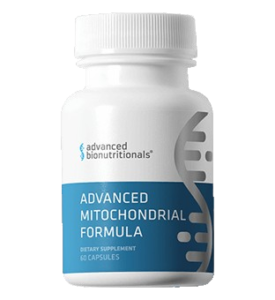
Specific nutrients act as cofactors for energy production. Coenzyme Q10 (CoQ10) is vital for the final steps of ATP creation. Additionally, B vitamins, magnesium, and alpha-lipoic acid (ALA) protect the mitochondria from damage and ensure the metabolic engine is primed.
CHECK OUT MY TOP-RATED MITOCHONDRIA SUPPLEMENT HERE